Understanding Class K Fire Extinguishers: What They Are and Who Needs Them
When it comes to fire safety, having the right tools in place is essential to effectively manage emergencies. One of the most specialized types of fire extinguishers available is the Class K fire extinguisher. Designed for a specific type of fire, this extinguisher plays a crucial role in environments where cooking oils and fats are a daily part of operations. But what exactly is a Class K fire extinguisher, what is it used for, and who needs one? Let’s dive in.
What is a Class K Fire Extinguisher?
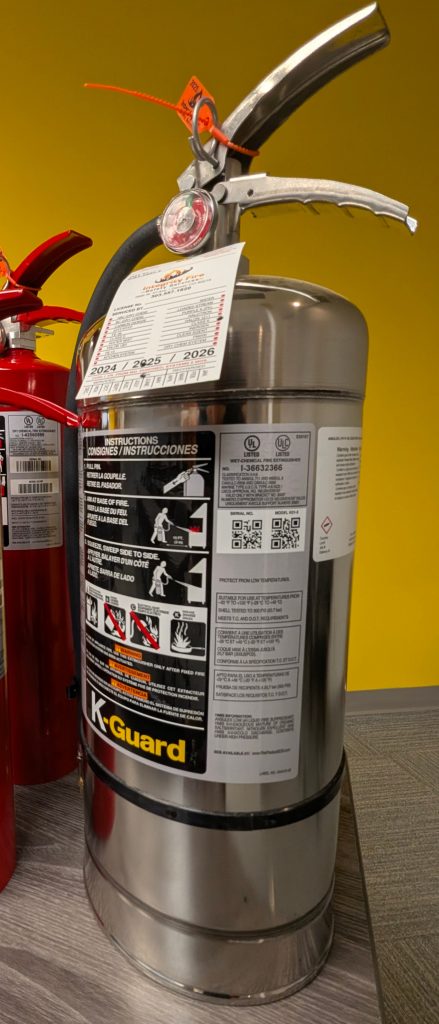
A Class K fire extinguisher is specifically designed to combat fires that involve cooking oils, animal fats, and vegetable oils—commonly found in commercial kitchens. These substances burn at extremely high temperatures and can be difficult to extinguish using traditional methods. A Class K extinguisher uses a wet chemical agent that suppresses the flames, cools the hot surfaces, and prevents re-ignition.
– The extinguishing agent typically used in Class K extinguishers is a potassium-based solution. When applied to burning oils or fats, the agent reacts chemically through a process called saponification. This process creates a soapy foam on the surface, cutting off the fire’s oxygen supply and reducing the temperature of the flammable material.
What is a Class K Fire Extinguisher Used For?
Class K fire extinguishers are specifically used for kitchen fires caused by flammable cooking media. These fires cannot be effectively controlled with water, CO₂, or even dry chemical extinguishers. Attempting to use the wrong type of extinguisher on a cooking oil fire can be dangerous and may cause the fire to spread or worsen.
Common scenarios where Class K extinguishers are necessary include:
-
Fryer fires caused by overheating oil
-
Grill flare-ups that involve greasy surfaces
-
Fires starting in deep fat cooking equipment
Can a Class K Fire Extinguisher Be Used on Any Fire?
No, a Class K fire extinguisher should not be used on all types of fires. Fire extinguishers are categorized by the types of fires they are designed to combat:
-
Class A: Ordinary combustibles like wood and paper
-
Class B: Flammable liquids like gasoline or paint
-
Class C: Electrical fires
-
Class D: Flammable metals
-
Class K: Cooking oils and fats
Using a Class K fire extinguisher on other types of fires may not only be ineffective, but potentially dangerous. For example, spraying a wet chemical agent on an electrical fire could increase the risk of electrical shock. That’s why it’s crucial to identify the fire classification and ensure your fire safety plan includes the right types of extinguishers in the right locations.
Do I Need a Class K Fire Extinguisher?
If your facility or business involves cooking with oils and fats at high temperatures, then yes, you absolutely need a Class K fire extinguisher. These extinguishers are not just helpful—they are often required by local fire codes and insurance regulations. They are typically mandated for commercial kitchens and food preparation areas where cooking equipment is present.
Some of the most common industries and establishments that need a Class K fire extinguisher include:
Restaurants
Food trucks
Commercial kitchens
School and university cafeterias
Hotels and resorts with kitchen facilities
Catering businesses
Hospital and healthcare facility kitchens
Institutional kitchens in prisons or assisted living centers

Even smaller establishments such as coffee shops or sandwich shops may require a Class K fire extinguisher if they use a grill or deep fryer.
Placement and Maintenance
Simply having the right extinguisher is not enough. It must be properly located and maintained. Class K extinguishers should be installed within 30 feet of cooking appliances and clearly labeled for quick access during emergencies.
Regular inspections and maintenance should also be conducted to ensure the extinguisher is fully charged and in working condition. At a minimum, fire extinguishers should be inspected monthly and serviced annually by a qualified technician. Records of these inspections should be maintained for compliance with NFPA (National Fire Protection Association) standards and local regulations.
Integrity Fire Safety Services
A Class K fire extinguisher is an essential safety device in any kitchen that uses cooking oils and fats. Understanding what it is, what it’s used for, and who needs one can make all the difference in an emergency. With the right extinguishers in place—and maintained properly—you can significantly reduce the risk of damage, injury, and business disruption due to fire.
If you operate a commercial kitchen, restaurant, food truck, or any facility where high-heat cooking is done, you should consult with a fire protection specialist to ensure you’re adequately protected.
For comprehensive fire extinguisher services, including installation, inspection, and maintenance, contact a qualified provider like Integrity Fire to ensure your fire safety equipment is up to code and ready to respond when it matters most.