5 Food Truck Upgrades That Trigger Fire Safety Inspections: Denver Edition
Why Layout Matters When it Comes to Your Food Truck’s Fire Safety Compliance
5 Common Food Truck & Mobile Kitchen Upgrades That Can Trigger Reinspection
Swapping Appliances: Different equipment has different hazard levels and require specific nozzle types, detection capabilities, and placement.
Moving Appliances: Shifting equipment can misalign nozzles.
Adding Equipment Under an Existing Hood: Before adding any equipment, make sure you have enough space under your hood. Adding equipment might require more nozzles and detection systems. If your system isn’t big enough, you may need extra chemicals or tanks for the new nozzles. This can affect the flow rate and coverage of the suppression system. Check the International Mechanical Code for guidance.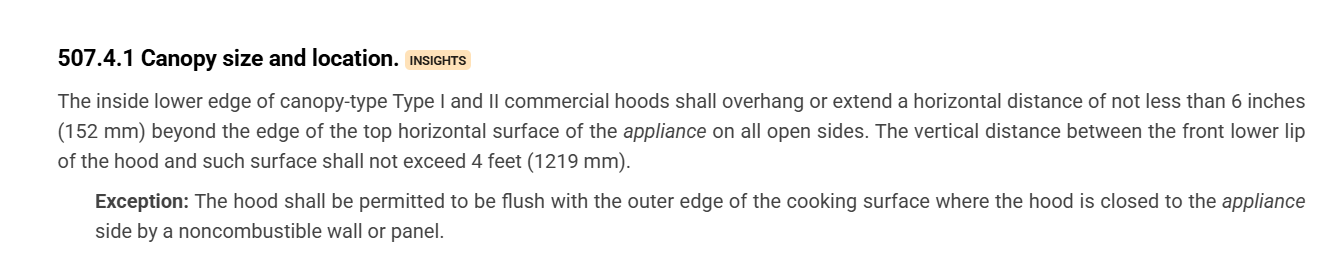
Changing Fuel Sources: Switching between electric, propane or solid fuel requires careful consideration of safety protocols. Wet chemical systems are 55% more conductive than water, so it is really important to shut down all electronic devices under the hood area. This will eliminate the risk of re-igniting the fire or harm to the personnel operating the unit.
Modifying the Hood/Ventilation System: Even minor changes can affect airflow and your suppression system’s effectiveness. For example, if you utilize your fryer or commercial grill without the appropriate filters, excessive grease can build up, which could potentially clog both your suppression systems’ detection line and your nozzles.
🧯 Key considerations Include:
- Equipment Type: The appliances you use, like deep fryers or charbroilers, determine the type and placement of suppression nozzles. Grease-producing equipment typically requires a Type 1 Hood and a UL300-compliant fire extinguishing system.
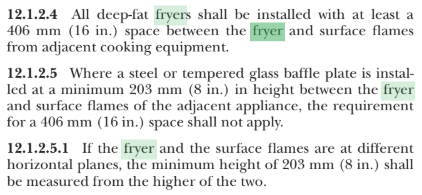
- Placement and Distance Between Appliances: Proper nozzle alignment is crucial in the confined space of a food truck. (See reference below for proper spacing between fryers and exposed flames)
- Hood and Ductwork Alignment: This is essential for effective ventilation and fire suppression, as required by local regulations and NFPA 96. Regular cleaning prevents grease buildup.
- Note! Failure to clean and maintain your hood ventilation system can cause an accidental discharge. Your system’s fusible links require appropriate airflow to work as intended.
- Fuel Source Locations: Safe handling and placement of fuel sources, especially propane tanks, are critical per NFPA 58 standards. This includes secure mounting and regular leak checks.
- Misaligned Nozzles: These won’t discharge properly during a fire, leaving equipment unprotected.
- Unprotected Appliances: This voids your system’s certification, risking shutdowns, fines, or event denial.
- Failed Inspections: Non-compliance can jeopardize your ability to operate and affect insurance coverage.