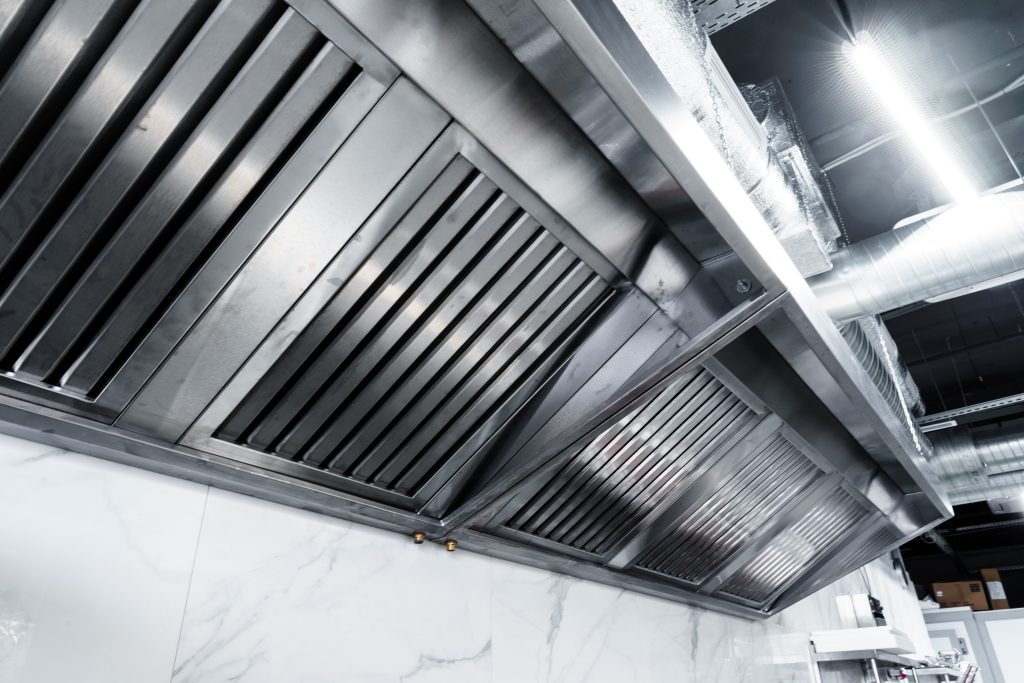
When it comes to providing top-quality kitchen hood inspections for restaurants, food trucks, and kitchens – having technicians educated in National Fire Protection Association (NFPA) guidelines ensures both compliance and safety. Let’s dive into the detailed process of performing a commercial kitchen hood inspection, incorporating the specific nuances and details for these types of systems.
Initial Fire Suppression Hood Assessment
Our trained and certified technicians will begin by conducting an initial assessment of the fire suppression hood system in your kitchen. This assessment involves reviewing the system documentation to ensure compliance with NFPA standards, particularly NFPA 96: Standard for Ventilation Control and Fire Protection of Commercial Cooking Operations. Having the installation and maintenance records ready helps this process run quickly and smoothly.
Visual Kitchen Hood Inspection
After the initial assessment, our techs will start their visual inspection, using the guidance from the NFPA 96 handbook and manufacturer manuals to verify everything has been correctly installed. This includes positioning with the cooking equipment the hoods are meant to protect.
We also inspect the condition of the hood itself, checking for any signs of damage or deterioration, as well as for excessive grease buildup that might pose a fire hazard. It’s important the hood system has an accessible panel for easy maintenance.
Mechanical Inspection
We will then verify the exhaust fans work as they should, checking for any obstructions or damage that could impede proper airflow. It’s important to confirm that the exhaust system is properly connected to the hood, ensuring efficient removal of smoke, heat, and odors. We also examine filters for any clogs or excessive grease accumulation so everything is in good working condition.
Fire Suppression System Inspection
Our technicians will also inspect the fire suppression system integrated into the hood. We will verify the correct positioning and integrity of the nozzles, ensuring they are free from blockages and capable of effectively distributing the fire suppression agent. It’s also important to test the functionality of the fire detection system so the suppression can be initiated in the event of a fire. Examining the quantity and condition of the extinguishing agent confirms it is within the recommended range and has not expired.
If your kitchen utilizes a gas-based cooking system, we will inspect the gas shut-off valve to ensure it is in proper working condition and can effectively shut off the gas supply in the event of a fire.
Documentation and Reporting
After completing the inspection, our technicians will provide you with a detailed report, outlining the findings and recommendations for any necessary repairs or maintenance. This is important for when the fire department stops by to check for compliance. The documentation will include the date of the inspection and the names of the technicians who performed it, a summary of findings highlighting anything that requires attention, and recommendations for safety improvements with NFPA compliance.
As Integrity Fire, we pride ourselves on our expertise in fire suppression hood inspections for restaurants and kitchens. Our meticulous attention to detail, adherence to NFPA guidelines, and customer care will bring you up to code and keep your staff and buildings safe. Reach out today to get started. Because It Matters.